
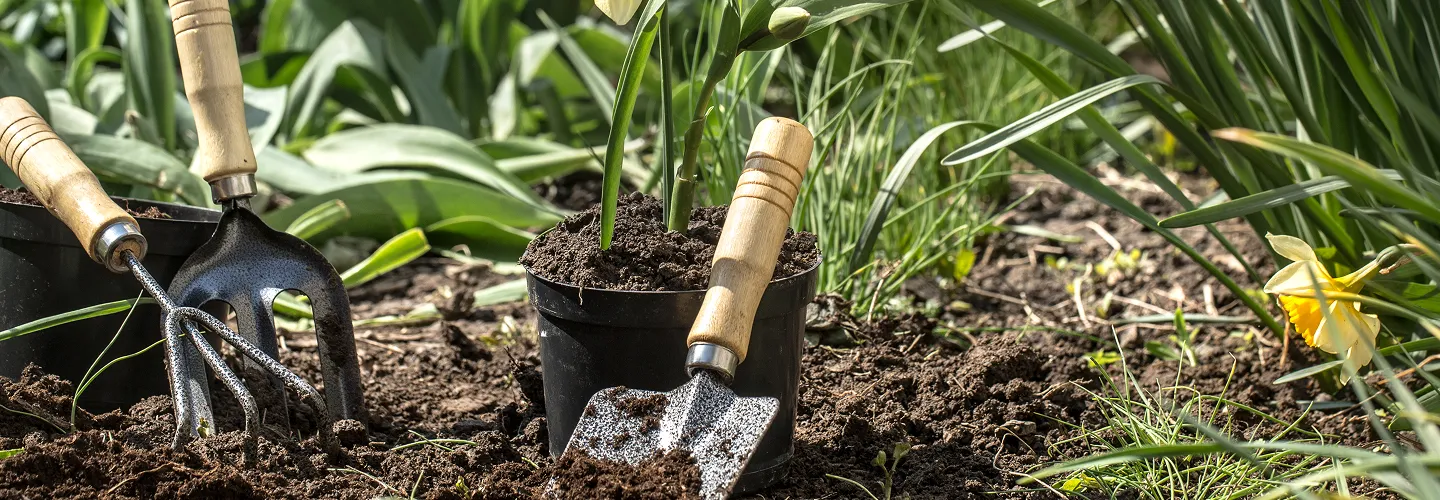
Channelview Plant Removal Services
Choose our Plant Removal service for expert care, fast turnaround, and a commitment to leaving your property clean and ready for your next project.
Get a Free QuoteOur Channelview Landscaping & Yard Care Services
When to Schedule Plant Removal in Channelview, Texas – Seasonal Guide
In Channelview, Texas, timing your plant removal project is crucial for both the health of your landscape and the efficiency of the process. The region’s humid subtropical climate, with hot summers and mild winters, means that late winter through early spring is often the optimal window for plant removal. This period, just after the last frost date and before new growth begins, allows for easier root extraction and minimizes stress on surrounding vegetation. Neighborhoods near Old River Terrace and along the San Jacinto River often experience higher soil moisture in spring, making it easier to remove deep-rooted plants without excessive disruption.
Local environmental factors such as drought risk during late summer, heavy rainfall in May, and the clay-heavy soils common in Channelview neighborhoods like Sterling Green and Lakeside Park all play a role in determining the best time for removal. Shade coverage from mature oaks and pecans, as well as municipal guidelines for debris disposal, should also be considered. For more information on local regulations and best practices, consult the official Channelview resources.
Local Factors to Consider for Plant Removal in Channelview
- Tree density and proximity to structures
- Soil type (clay, sand, or loam) and drainage
- Seasonal precipitation and risk of drought
- Frost dates and temperature fluctuations
- Shade coverage from established trees
- Terrain slope and accessibility
- Municipal restrictions on plant and debris removal
Benefits of Plant Removal in Channelview
Expert Landscaping Team
Efficient Plant Removal
Eco-Friendly Disposal
Improved Curb Appeal
Customized Solutions
Competitive Pricing
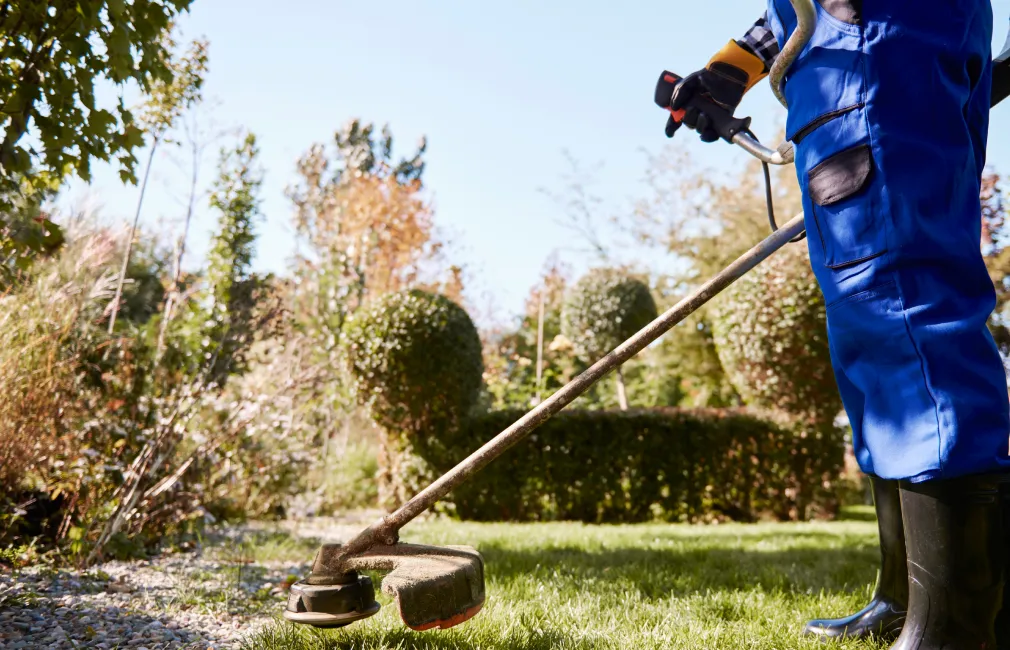
Channelview Plant Removal Types

Tree Removal
-
Shrub Removal
-
Stump Grinding
-
Invasive Species Removal
-
Root System Extraction
-
Hedge Clearing
-
Overgrown Vegetation Removal
Our Plant Removal Process
Site Evaluation
Preparation and Safety Measures
Plant Extraction
Debris Removal
Site Restoration
Why Choose Channelview Landscape Services
-
Channelview Homeowners Trust Us
-
Expert Lawn Maintenance
-
Reliable Scheduling
-
Competitive Pricing
-
Professional Team
-
Satisfaction Guarantee
-
Personalized Service
Plant Removal and Debris Disposal Coordination in Channelview
Plant removal in Channelview requires strict adherence to municipal debris management protocols to ensure compliance with local ordinances and environmental standards. The city’s Department of Public Works oversees yard waste collection, with weekly curbside pickup typically scheduled on Thursdays from April through November. Residents must use biodegradable bags or reusable bins (32-gallon maximum) for plant debris; plastic bags and branches over 4 inches in diameter are prohibited. All plant material must be placed at the curb by 7:00 AM on collection day. For large-scale removals or projects generating significant debris, advance notification to the department is required, and special pickup arrangements may be necessary. Coordination with municipal authorities is essential to avoid code violations and ensure proper disposal.
Houston Public Works Department
611 Walker Street, Houston, TX 77002
Phone: (832) 395-2500
Official Website: Houston Public Works Department
Soil Series and Drainage Considerations for Plant Removal in Channelview
Channelview’s landscape is dominated by the Beaumont clay and Lake Charles clay soil series, as identified by the USDA Web Soil Survey. These soils are characterized by high clay content, poor drainage, and a tendency for compaction, especially in developed areas. The pH typically ranges from 6.0 to 7.5, which can influence the success of plant removal and subsequent site restoration. When removing deep-rooted vegetation, it is critical to address soil compaction by tilling to a depth of 6-8 inches and incorporating 2-3 inches of compost. For areas with persistent drainage issues, installation of French drains or surface grading may be required to prevent waterlogging. Soil testing through Texas A&M AgriLife Extension is recommended to determine amendment needs and ensure compliance with local restoration standards.
Environmental Compliance: Wetland Buffers and Stormwater Protection in Channelview
Plant removal activities in Channelview must comply with both municipal and state environmental regulations, particularly when work occurs near wetlands, bayous, or stormwater conveyances. The Texas Water Code and Clean Water Act require a minimum 25-foot no-disturbance buffer from delineated wetlands and prohibit the discharge of plant debris into storm drains. Channelview is subject to the TCEQ MS4 permit, which mandates that all green waste be contained and not left on impervious surfaces. Best practices include:
- Maintaining 25-foot wetland buffers
- Using silt fencing to prevent runoff
- Scheduling removal during dry weather to minimize erosion risk
- Prohibiting fertilizer or herbicide application within 50 feet of water bodies
Texas Commission on Environmental Quality (TCEQ)
12100 Park 35 Circle, Austin, TX 78753
Phone: (512) 239-1000
Official Website: Texas Commission on Environmental Quality
Equipment Operation Hours and Safety Standards for Plant Removal in Channelview
Channelview enforces specific noise and safety regulations for plant removal operations. Equipment such as chainsaws, chippers, and stump grinders may only be operated during the following hours:
- Monday-Friday: 7:00 AM - 7:00 PM
- Saturday: 8:00 AM - 6:00 PM
- Sunday and holidays: Prohibited
Operators must ensure all machinery is fitted with functional mufflers and that noise does not exceed 85 decibels at the property line. Personal protective equipment (PPE) is mandatory, including:
- ANSI Z87.1 safety glasses
- Hearing protection for equipment over 85 dB
- Steel-toed boots and cut-resistant gloves
- High-visibility vests when working near roadways
All work within 15 feet of overhead utilities requires advance notification to the utility provider. The city’s code enforcement division conducts periodic inspections to verify compliance.
Houston Code Enforcement
611 Walker Street, Houston, TX 77002
Phone: (832) 394-0600
Official Website: Houston Public Works Department
Optimal Timing for Plant Removal in Channelview’s Climate Zone 9a
Channelview is located in USDA Hardiness Zone 9a, with mild winters and hot, humid summers. The optimal window for plant removal is from late October through early March, when soil temperatures range from 50°F to 65°F and plant dormancy reduces regrowth risk. Removal during this period minimizes soil disturbance and allows for effective site restoration before the onset of spring rains. Key timing guidelines include:
- Major removals: October 15 – March 15
- Avoid June-August due to heat stress and soil compaction risk
- Schedule work after extended dry periods to prevent rutting
- Monitor local weather forecasts via the National Weather Service Houston/Galveston Office
For invasive species, removal should be timed before seed set, typically by late April. Soil restoration and replanting are best completed by mid-March to ensure establishment before summer heat.
What Neighborhoods Do We Serve Throughout Channelview, TX?
- Old River Terrace: Characterized by mature tree cover and heavy clay soils, this area often requires specialized equipment for root removal and careful debris management due to narrow streets and older infrastructure.
- Sterling Green: Features newer developments with moderate lot sizes and improved drainage, but compacted fill soils can complicate deep-rooted plant extraction and necessitate soil amendment post-removal.
- Lakeside Park Estates: Proximity to the San Jacinto River and local wetlands means strict enforcement of buffer zones and heightened attention to stormwater protection during removal activities.
- Channelwood: Dense residential layout with limited curb space requires precise scheduling for debris pickup and adherence to container size restrictions.
- Forest River Estates: Large lots with mixed woodland and open areas present challenges for access and may require coordination for special debris pickups after major removals.
- Shadowglen: Located near conservation areas, this neighborhood is subject to additional environmental oversight, including restrictions on herbicide use and mandatory wetland buffers.
- Rancho Verde: Newer subdivision with HOA guidelines that may impose additional requirements for plant removal, including approved species lists and debris containment protocols.