
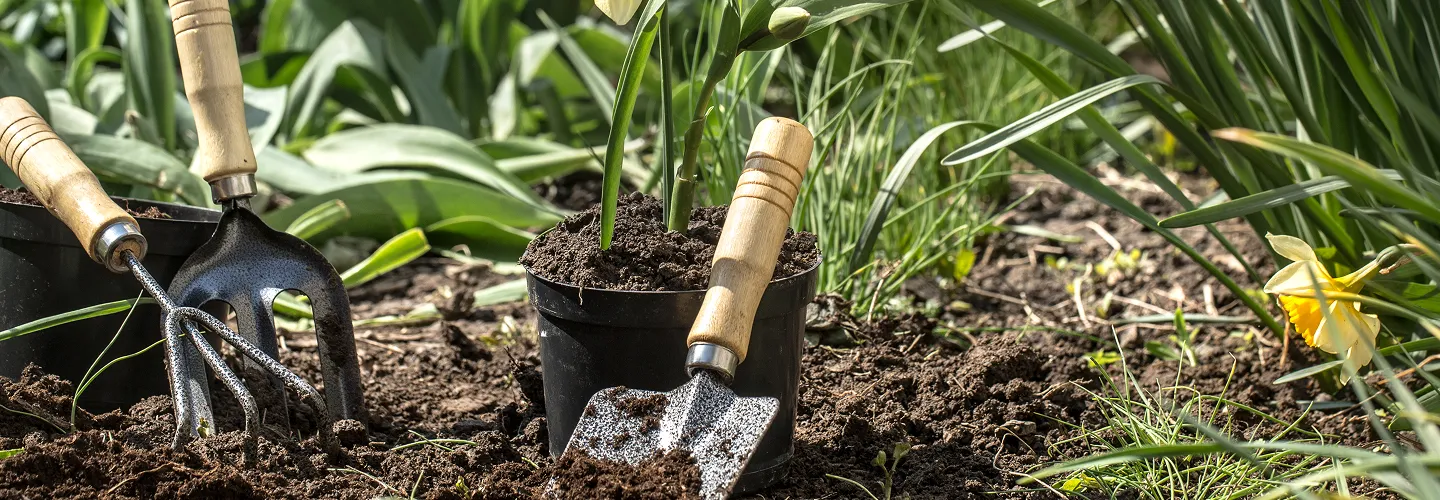
Channelview Brush Removal Services
Choose our professional brush removal for fast, thorough clearing that enhances safety, boosts curb appeal, and prepares your property for any project—done right the first time by local experts.
Get a Free QuoteOur Channelview Landscaping & Yard Care Services
When to Schedule Brush Removal in Channelview, Texas – Seasonal Guide
In Channelview, Texas, the best times for brush removal are typically late winter through early spring and again in late fall. These periods align with the region’s mild temperatures and lower humidity, making outdoor work more manageable and minimizing stress on your landscape. Channelview’s proximity to the San Jacinto River and neighborhoods like Sterling Green and Old River Terrace means that soil moisture and shade coverage can vary, so timing your brush removal to avoid the wettest months is crucial.
Local environmental factors such as the last frost date (usually late February), summer drought risk, and the heavy clay soils common in Channelview all play a role in determining the optimal schedule. For example, removing brush before the onset of peak humidity in June helps prevent mold and pest issues. Additionally, municipal guidelines—available through resources like the Sudbury town website—may affect when and how you can dispose of yard waste.
Local Factors to Consider for Brush Removal in Channelview
- Tree density and type (live oaks, pecans, and pines are common)
- Terrain and soil drainage, especially near the San Jacinto River
- Seasonal precipitation patterns and risk of flooding
- Municipal restrictions on brush disposal and burning
- Shade coverage from mature trees impacting undergrowth
- Recent weather events, such as storms or droughts
Benefits of Brush Removal in Channelview

Enhanced Curb Appeal
Improved Property Safety
Prevention of Pest Infestations
Increased Usable Outdoor Space
Healthier Landscape Growth
Boosted Property Value
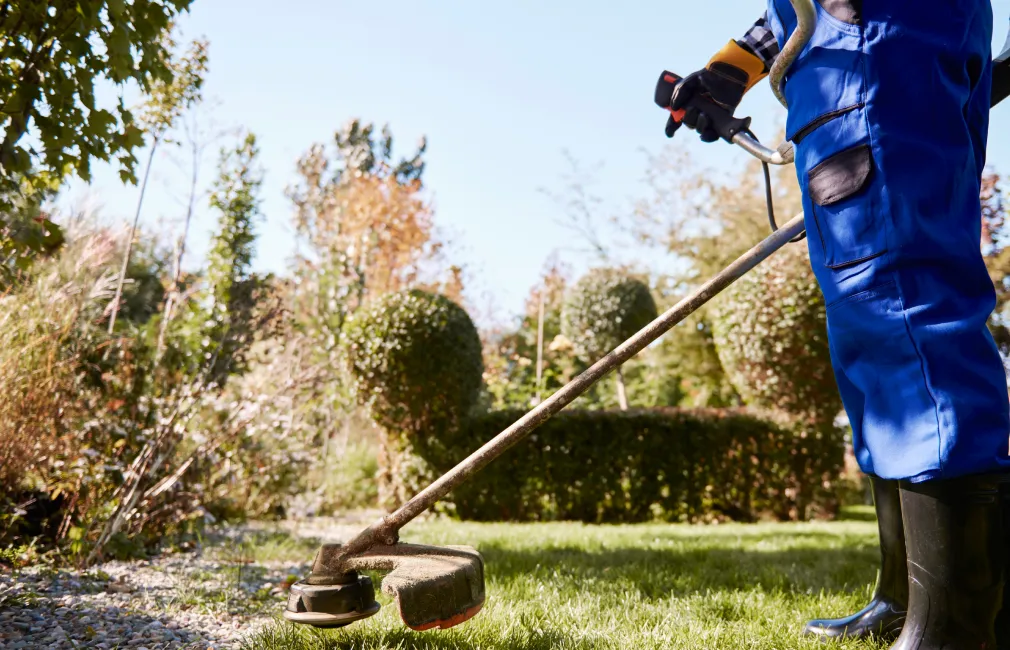
Channelview Brush Removal Types

Manual Brush Clearing
-
Mechanical Brush Removal
-
Selective Brush Thinning
-
Brush Mulching
-
Controlled Burning
-
Herbicide Application
-
Stump Grinding
Our Brush Removal Process
Site Evaluation
Safety Preparation
Brush Clearing
Debris Removal
Final Inspection
Why Choose Channelview Landscape Services
-
Channelview Homeowners Trust Us
-
Expert Lawn Maintenance
-
Reliable Scheduling
-
Competitive Pricing
-
Professional Team
-
Satisfaction Guarantee
-
Personalized Service
Brush Removal Coordination with Channelview’s Public Works and Collection Schedules
Effective brush removal in Channelview requires strict adherence to municipal collection schedules and disposal protocols. The city typically schedules curbside brush and yard waste collection on Thursdays from April through November. Residents must use biodegradable bags or reusable bins (32-gallon maximum) for brush under 4 feet in length and 4 inches in diameter. Plastic bags and oversized branches are prohibited. For large brush piles or storm debris, special pickup requests may be necessary, with a review period of 5-10 business days. All brush must be placed curbside by 7:00 AM on collection day to ensure timely removal. Coordination with the Department of Public Works is essential for compliance with local ordinances and to avoid fines for improper disposal.
Houston Public Works Department
611 Walker Street, Houston, TX 77002
Phone: (832) 395-2500
Official Website: Houston Public Works Department
Soil Series and Drainage Considerations for Brush Removal in Channelview
Channelview’s predominant soils, including the Lake Charles clay and Beaumont clay series, are characterized by poor drainage and high clay content, as identified by the USDA Web Soil Survey. These soils often retain water, leading to soft ground conditions after rainfall and complicating heavy equipment access for brush removal. Soil pH typically ranges from 6.0 to 7.5, and compaction is common in developed areas. To minimize site disturbance, it is recommended to use tracked equipment and schedule removal during drier periods. For areas with persistent wetness, matting or low-ground-pressure machinery may be required. Soil testing through Texas A&M AgriLife Extension is advised for property owners planning significant landscape restoration after brush clearing.
Environmental Compliance: Stormwater, Wetlands, and Buffer Zones in Channelview
Brush removal activities in Channelview must comply with the city’s MS4 stormwater permit under the Clean Water Act and Texas Water Code. It is prohibited to deposit brush, leaves, or debris into storm drains or within 25 feet of wetlands and drainage ditches. Properties adjacent to the San Jacinto River or local bayous must maintain a 25-foot no-disturbance buffer to protect water quality and habitat. The Texas Commission on Environmental Quality enforces these requirements, and violations may result in fines. All contractors and property owners should review local wetland maps and stormwater regulations before initiating brush removal.
Texas Commission on Environmental Quality
12100 Park 35 Circle, Austin, TX 78753
Phone: (512) 239-1000
Official Website: Texas Commission on Environmental Quality
Equipment Operation Hours and Safety Standards for Brush Removal in Channelview
Channelview enforces municipal noise ordinances for outdoor equipment operation. Permitted hours for brush removal are:
- Monday-Friday: 7:00 AM - 7:00 PM
- Saturday: 8:00 AM - 6:00 PM
- Sunday and holidays: Prohibited
All operators must use commercial-grade equipment with functioning mufflers, and noise levels should not exceed 85 decibels at property lines. Safety protocols require the use of ANSI Z87.1 safety glasses, hearing protection for equipment over 85 dB, steel-toed boots, and high-visibility vests when working near roadways. Maintain a minimum 15-foot clearance from overhead power lines and coordinate with the Houston Fire Department for large-scale debris burns or emergency access.
Houston Fire Department
1801 Smith Street, Houston, TX 77002
Phone: (832) 394-6700
Official Website: Houston Fire Department
What Neighborhoods Do We Serve Throughout Channelview, TX?
- Old River Terrace: Features mature tree stands and heavy clay soils, requiring careful equipment selection to prevent rutting and soil compaction during brush removal.
- Sterling Green: Characterized by mid-sized lots and proximity to drainage channels, necessitating strict adherence to buffer zone regulations and stormwater protection.
- Channelwood: Contains a mix of older homes and newer developments, with compacted soils and limited alley access that may restrict large equipment use.
- Lakeside Park Estates: Located near the San Jacinto River, this area has floodplain considerations and requires compliance with wetland buffer requirements.
- Forest River Estates: Noted for dense vegetation and narrow streets, making brush collection logistics and traffic management critical.
- Shadowglen: Features newer construction with improved drainage but HOA landscaping standards that may affect brush pile placement and removal timing.
- Sterling Forest: Includes properties adjacent to conservation areas, where special care is needed to avoid disturbance of protected habitats and comply with environmental ordinances.
Seasonal Timing and Weather Considerations for Brush Removal in Channelview
Channelview is located in USDA Hardiness Zone 9a, with a subtropical climate and average annual rainfall of 54 inches. Optimal timing for brush removal is late winter through early spring (February to April), before the onset of heavy rains and new growth. Avoid scheduling large-scale removal during June-August due to saturated soils and hurricane season risks. Monitor local weather forecasts through the National Weather Service Houston/Galveston Office to plan operations around rainfall events and minimize site disturbance. For best results, schedule brush removal when soil moisture is moderate and ground conditions are firm, reducing the risk of rutting and erosion.